ERPNext for Steel

ERPNext for Steel Industry that speaks in kilograms, heats and grades

Know the true cost per kilogram of every heat with ERPNext for Steel Industry — without the month-end spreadsheet guessing.

Get a Free Quote

100+ implementations · 8+ years · Urdu & English support

Steel doesn't sell by the piece — it sells by the kilogram, and every kilogram carries the cost of scrap, furnace time and melt loss. When a melt shop or re-rolling mill runs on manual registers and spreadsheet costing, the true cost of a heat stays unknown until month-end, and quoted rates quietly drift away from reality. That is why more mills are turning to ERPNext for Steel Industry implementations built around weight-based inventory and grade-wise stock.

We implement ERP for steel industry around how steel businesses actually run — like our implementation for Risen Pro Industries, a Lahore steel wire manufacturer. Heat and batch traceability from charge to finished bundle, scrap purchase and consumption tied to melt loss, landed cost on imported scrap and billets, and billing in kg and tons with PKR pricing and FBR e-invoicing. As an ERPNext implementor and ERPNext service provider in Pakistan, we configure the system around your mill and train your floor and accounts teams in Urdu.
The reality

The costly problems we solve every day

Every one of these has a price tag — here's what they cost steel businesses that wait too long to fix them.

Cost per kilogram is guesswork, not accounting

Scrap rates move daily, furnace consumption varies by heat, and re-rolling yield shifts with every billet lot. When costing is rebuilt in a spreadsheet at month-end, quotes go out on last month's numbers — and thin margins turn negative.

The cost of waiting: Quoting on last month's numbers means thin margins turn negative long before month-end tells you.

Scrap and melt loss vanish between registers

Scrap comes in from multiple suppliers and kabari dealers, gets charged to the furnace, and what melts versus what is lost is recorded loosely — if at all. Without tying scrap consumption to melt loss heat by heat, you can't price honestly or catch pilferage.

The cost of waiting: Every unweighed coil is margin you cannot invoice.

Grade-wise inventory lives in someone's head

Structural grades, wire rod coils, billets, TMT bars — stock of each grade sits in different yards and sheds, and only the store in-charge knows what is actually there. A sales order for a specific grade triggers a physical hunt instead of a system check.

The cost of waiting: When only one person knows where each grade sits, a sick day becomes a stalled production line.

Why steel manufacturers choose ERPNext — and why most wait too long

Generic accounting software handles invoices but not heats, grades or melt loss, so the mill keeps running on paper alongside it. The wait ends when a lost grade, a disputed weight claim or a surprise month-end loss makes the cost of guessing visible.

The cost of waiting: Every quarter on parallel registers makes the mill's numbers harder to trust — and harder to fix.

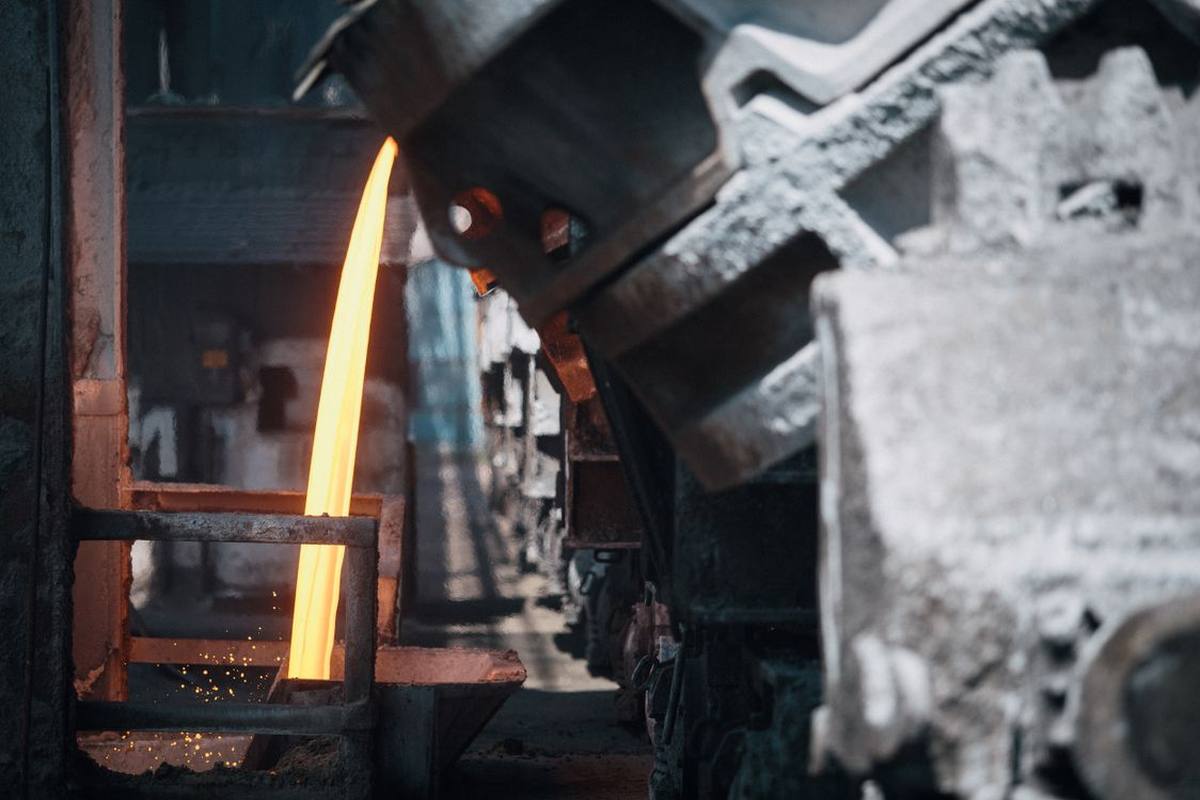
Molten steel being poured in a steel mill — ERPNext for steel
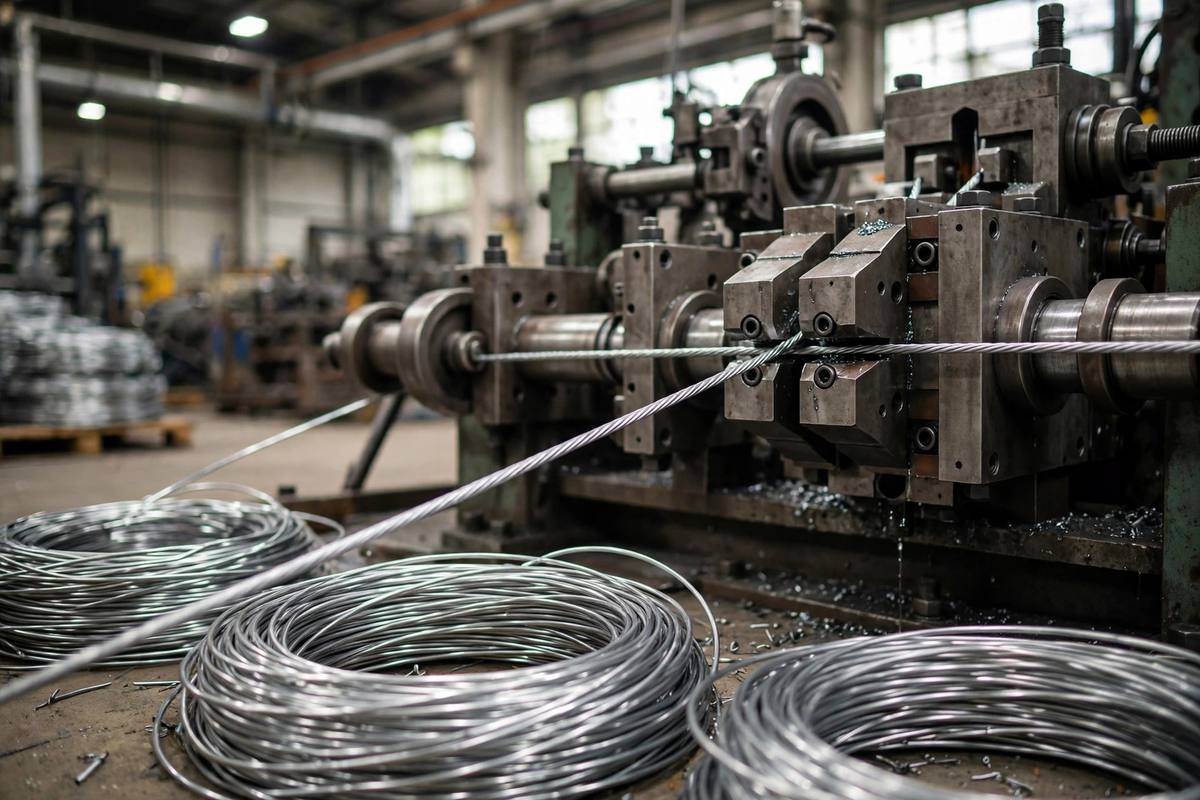
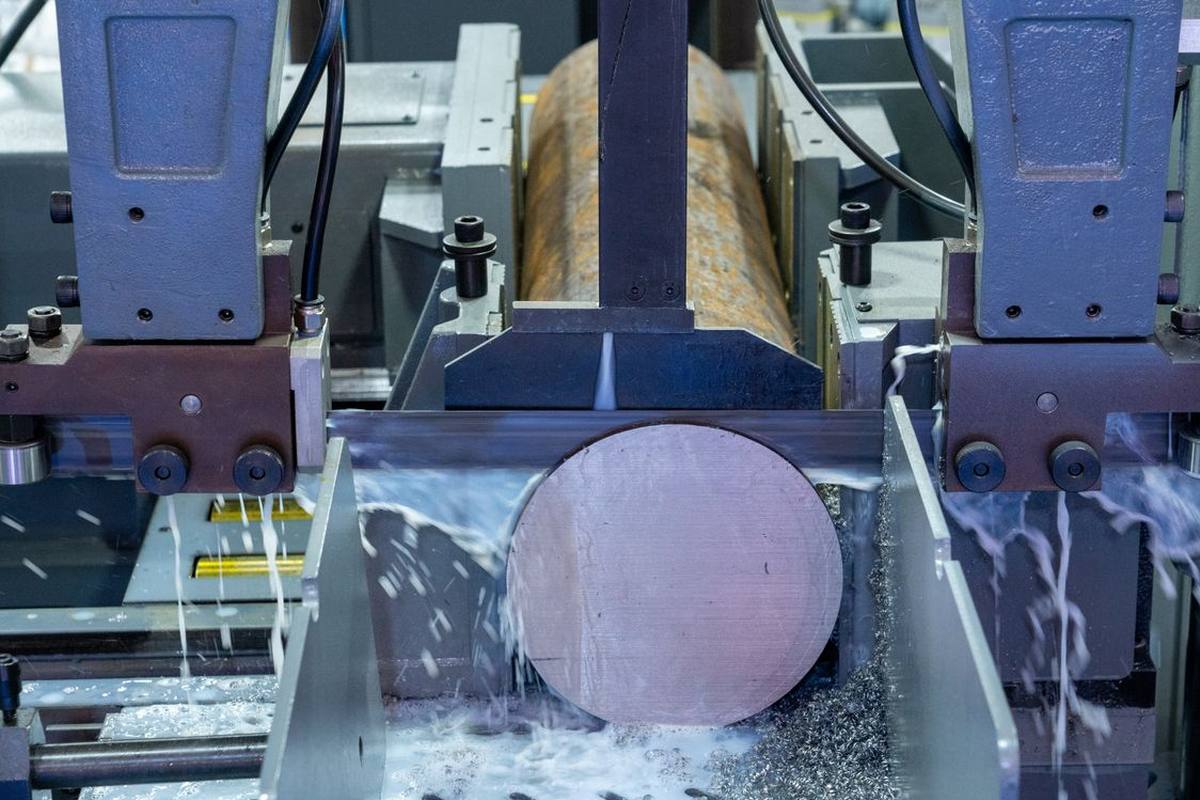
Steel cutting machinery in a steel plant
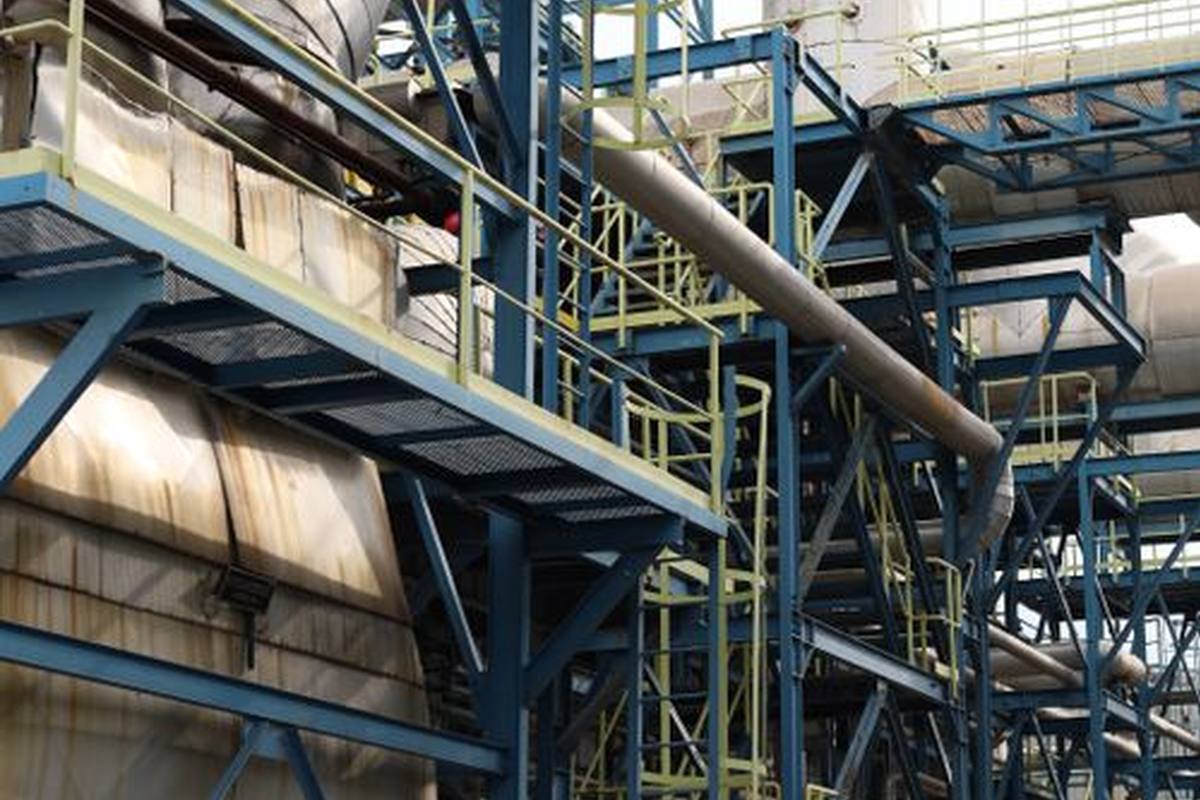
Industrial steel plant infrastructure

After go-live

What steel companies improve after implementation

ERPNext earns its keep after go-live — here's what changes in the business once the system is running day to day.

True cost per kilogram

Steel ERP has one job: tell you the true cost per kilogram. Every heat carries its scrap, furnace time and melt loss — quotes built on today's numbers, not month-end guesses.

Yield measured heat by heat

Scrap charged, output weighed, melt loss recorded per heat — yield becomes a measured number instead of an excuse, and abnormal losses get noticed.

Grade-wise stock without the hunt

Structural grades, billets, coils and bars visible across yards and sheds in real time — sales checks the system instead of calling the store in-charge.

Complaints traced to the root cause

Every bundle and coil links back to its heat number, charge mix and production date — a lab failure leads straight to the exact melt.

Landed cost you can trust

Imported scrap and billets carry freight, duty and clearing into their true cost per ton — inventory valuation and costing stay honest.

Billing that matches the yard

Weight-based PKR invoices with FBR e-invoicing configured and tested — ERP software for steel that bills the way you sell: by the kilogram.

Every kind of operation

ERPNext for every type of steel business

Different steel businesses run differently — ERPNext adapts to how you operate.

Melt shops & steel mills

Furnace-based melting with charge mix, heat-wise yield and melt-loss tracking — true cost per kilogram from scrap to billet.

Re-rolling mills

Billet-to-bar and coil re-rolling with work orders, stage-wise wastage and finished-length tracking — every section accounted for.

Wire & wire products

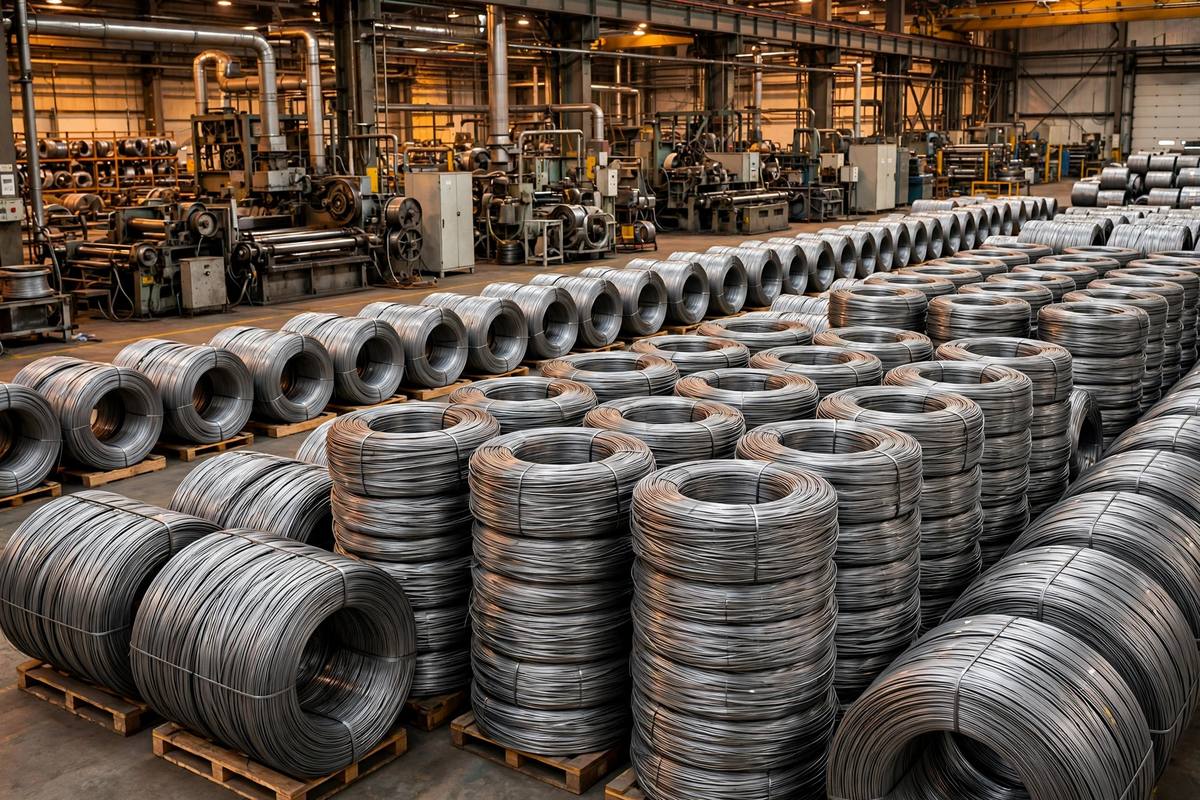
Drawing, galvanizing and stranding with coil-wise tracking — the configuration behind our implementation for Risen Pro Industries, a Lahore steel wire manufacturer.

Traders & stockists

Yard-based trading with grade-wise stock, weight-based purchase and sales, and supplier-wise landed cost — margins visible per lot.

What you get

Steel features we offer

We configure every feature around your processes — each one tied to a business outcome, not a feature list.

Weight-based stock

Inventory and sales in kilograms and tons with weighbridge integration points — purchase, production and billing all stay in weight, so piece counts never corrupt your stock.

Scrap & melt loss

Scrap purchases by supplier and grade, furnace charging per heat, and melt loss recorded heat by heat — yield becomes a measured number instead of an excuse.

Melt shop & re-rolling

Heats tracked from charge mix through casting, and re-rolling work orders from billet to finished bar or coil — with stage-wise consumption and wastage captured at each step.

Heat traceability

Every bundle and coil traces back to its heat number, charge mix and production date — so a customer complaint or a lab failure leads straight to the root cause.

Landed cost & grades

Imported scrap and billets carry freight, duty and clearing charges into their true landed cost per ton, and stock is held separately by grade — structural grades, billets, coils, bars — across yards and sheds.

PKR billing & e-invoicing

Weight-based sales invoices in PKR with FBR digital invoicing configured and tested, alongside purchase tracking from local and imported suppliers.

Weight-based stock entries — coil number, grade, diameter and rate per kg, with landed cost

How we deliver

How implementation works

A fixed, transparent process — you always know what happens next and what it costs.

  1. 01

    Discovery

    On the mill floor

    We walk your melt shop and re-rolling lines, document how scrap is bought and charged, how heats are recorded, how grades are stored and billed, and where weight discrepancies creep in.

  2. 02

    Setup & data

    Costing per kilogram, configured

    We configure item coding by grade and form, weight-based stock rules, scrap and melt-loss tracking per heat, the landed-cost method for imported scrap and billets, and your billing units — the ERPNext steel modules for your mill, set up around your process — then migrate your items, grades and supplier data.

  3. 03

    Training

    Floor and accounts teams trained

    We train furnace operators, store staff and accounts teams in Urdu and English on your real heats, with simplified role-based screens and written guides — then pilot on one melt line until the cost per kilogram ties out.

  4. 04

    Go-live & support

    Through the first full month-end

    Hypercare through your first complete production and billing cycle. We stay until heat records, grade-wise stock and weight-based invoices all come from the system without parallel registers.

Why Naidapa

Why choose Naidapa?

What makes us the right ERPNext partner for steel businesses.

ERPNext is all we do

We're not a general IT shop that also does ERP. Implementation, customization and managed cloud hosting for ERPNext is the entire practice.

Your system on our cloud

Every project starts on Naidapa's managed cloud — SSL, backups and updates handled — so you never have to think about servers.

Fixed scope before you spend

You get a clear, phased plan before committing — no open-ended billing and no surprises halfway through the project.

Mill-floor first

We walk your melt shop and yards before configuring anything, so the system mirrors how your mill actually works — steel ERP Pakistan built for mill floors, not head offices.

Training in your language

Role-based training in Urdu and English — your team learns exactly the screens they'll use every day.

Support after go-live

Hypercare support through cutover and beyond — we stay until the system is running on its own.

Why it works

What steel companies gain

  • Know the true cost per kilogram of every heat — quotes built on today's scrap and furnace costs
  • Scrap in, melt out, loss recorded — yield measured heat by heat instead of guessed
  • Grade-wise stock visible across yards in real time — no more hunting for material
  • Every bundle traceable to its heat number, charge mix and production date
  • Weight-based PKR invoicing with FBR e-invoicing — compliant without workarounds
  • An ERPNext implementation steel mills trust — fixed scope, a one-line pilot, and hypercare through your first month-end

Free discovery call

Not sure where to start?

We'll map your steel processes against ERPNext and show you exactly which modules you need — and which you don't.

Free consultation, no obligation.

FAQ

ERPNext for steel: common questions

Naidapa implements ERPNext for steel businesses in Pakistan — melt shops, re-rolling mills and steel product manufacturers. Our implementations cover weight-based inventory, scrap and melt-loss tracking, heat-wise traceability, grade-wise stock and FBR-compliant billing, with training in Urdu for floor and accounts teams.

ERPNext supports weight-based units of measure natively — stock, purchase and sales documents can all transact in kg and tons with conversion from piece or bundle counts. We configure your items, price lists and invoice formats around weight-based billing, including weighbridge readings where you need them.

Yes. Each heat is a tracked batch: scrap charged by supplier and grade, furnace time and consumables, output weight and melt loss — all recorded against the heat number. Over time you get a real yield history per charge mix, which feeds honest costing and highlights abnormal losses.

Through landed cost vouchers: freight, insurance, customs duty, clearing and inland transport are distributed across the shipment's weight, so every ton of imported scrap or billets carries its true cost into inventory valuation and costing. This works for both sea and land-route imports.

Yes — that is the point of heat and batch traceability. Finished bundles and coils carry batch numbers linked to their heat, charge mix and production date, so a customer complaint or quality failure can be investigated back to the exact melt.

Yes. We configure sales invoicing around Pakistan's digital invoicing requirements and test the flow end-to-end, so your weight-based PKR invoices stay compliant without manual workarounds.

A focused implementation for a single melt line or re-rolling unit typically goes live in 10–14 weeks, depending on scrap-sourcing complexity, costing detail and data readiness. Your blueprint includes a week-by-week timeline, and we stay through your first full month-end close.

Yes. We train furnace operators, store staff and accounts teams in Urdu and English, with simplified role-based screens and written guides. Adoption on the mill floor is the deciding factor, so training is a core deliverable.

Get started today

Stop running your steel business on guesswork

Book a free demo and see your own processes running in ERPNext — free consultation, no obligation, and a fixed-scope plan before you spend a rupee.

Get a Free Quote