Case study

Prime Wire

Steel wire manufacturingLahore, Pakistan

ERPNext for the steel industry: how a Lahore steel wire manufacturer unified accounting, inventory, procurement, sales, HR and process manufacturing on a single ERPNext system.

Prime Wire steel wire plant — ERPNext case study
Industry
Steel wire manufacturing
Location
Lahore, Pakistan
Products
Steel wire products
Modules implemented
Accounting & Finance, Inventory & Procurement, Sales & CRM, HR & Payroll, Process Manufacturing

The company

Steel wire, from rod to finished coil

Prime Wire is a Lahore-based steel wire manufacturer that processes imported carbon steel rods into finished wire products for construction and industrial customers.

Naidapa implemented ERPNext for Prime Wire with the same field-tested approach used for Risen Pro Industries — another Lahore steel wire manufacturer: cloud deployment first, then master data, weighbridge-verified stock, and a phased go-live across five modules.

The challenge

Costing every coil, connecting every department

Steel wire runs on material economics. Imported rods carry heavy landed costs, and every drawing stage changes the value of what's on the floor — costing a finished coil accurately without a connected system is guesswork.

Meanwhile accounting, stock, sales and HR lived in disconnected records. Purchase, production, dispatch and payroll figures were kept apart, which made simple questions hard to answer: what did this batch really cost, what's actually on the floor, and which orders are still open?

The industry

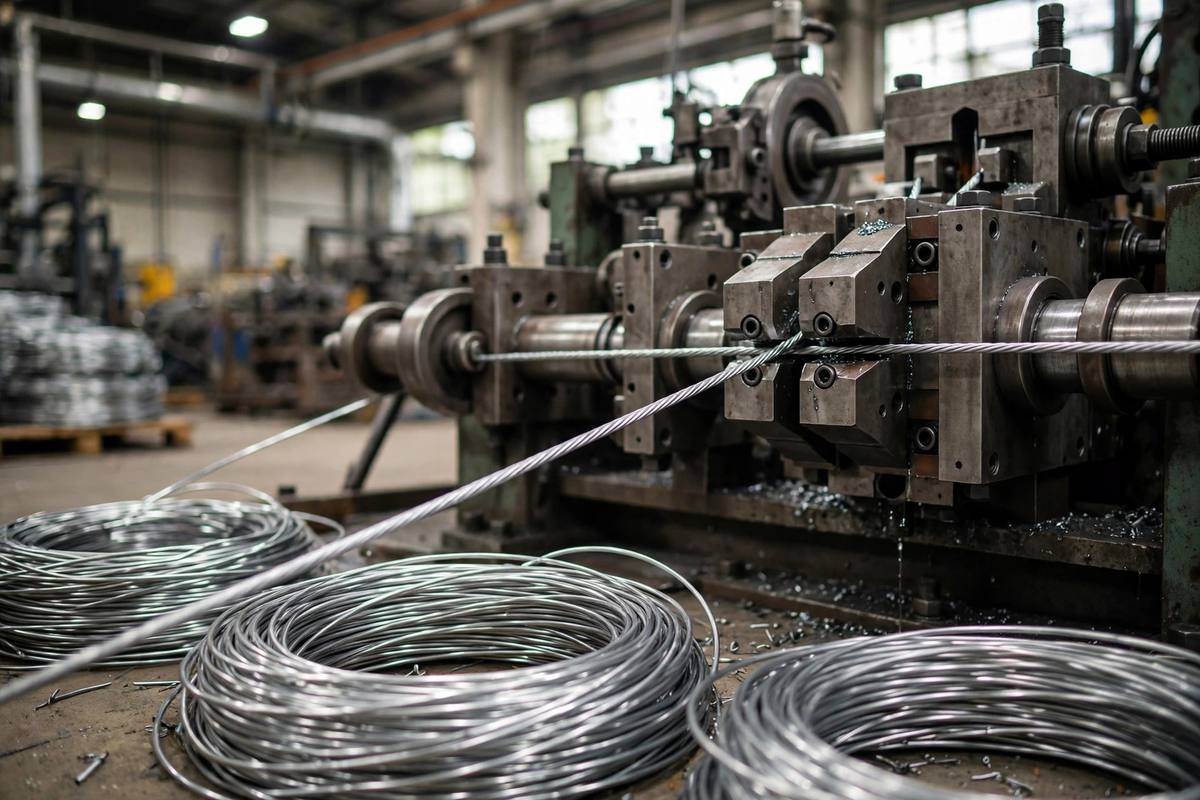
Inside the factory

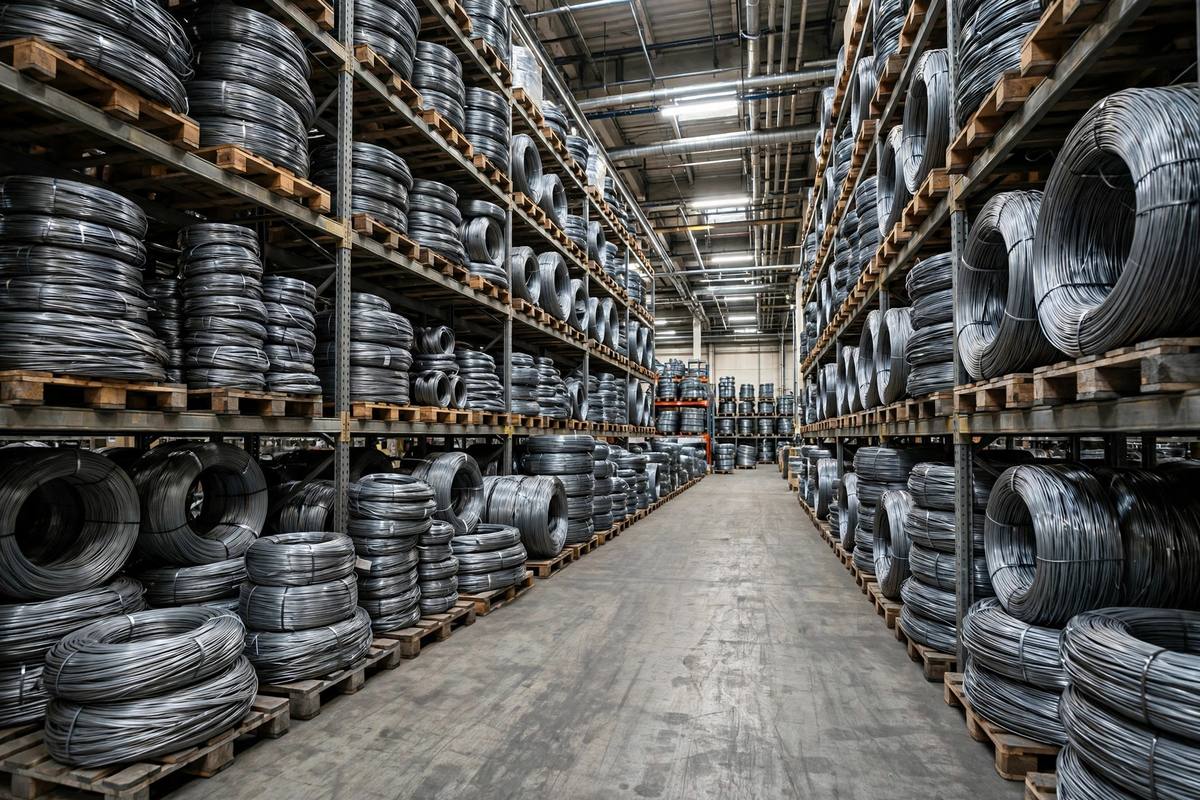
Finished wire coils stocked in the warehouse
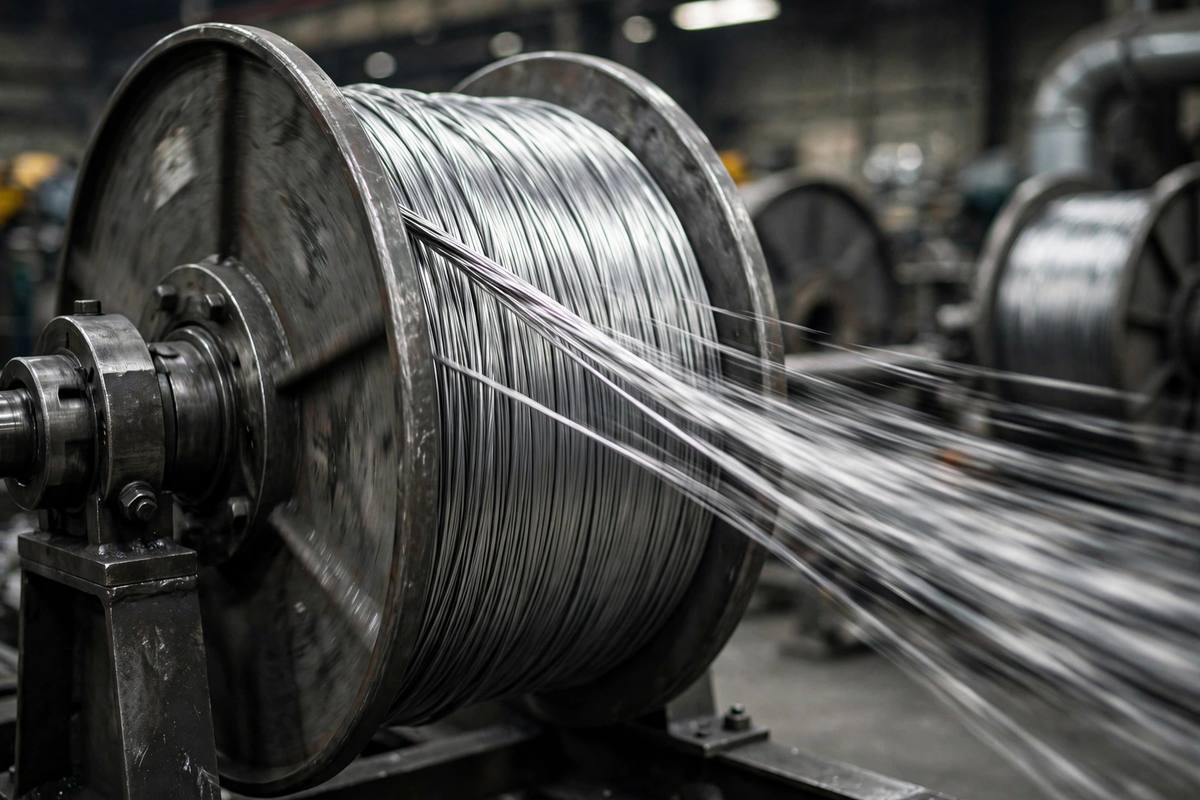
Bright drawn steel wire unwinding from a spool

Inside the project

The hardest part, and the easiest

Every implementation has both. Here's how this one played out.

The hardest part

Stock taking & valuation

Heavy steel doesn't do clipboards. Every coil at Prime Wire had to be weighed individually on the weighbridge and reconciled before it could become opening stock.

Then came valuation: each coil had to carry the full landed cost of the imported rods behind it — freight, duty and clearing — so the system opened on numbers the business could trust.

The easiest part

Accounting & Finance

The books were clean and complete from day one. With tidy ledgers and a full chart of accounts ready, the financial setup was the smoothest part of the whole project.

What we implemented

Five areas, one system

The ERPNext modules Naidapa configured for Prime Wire.

Accounting & Finance

Chart of accounts with customer and supplier ledgers, payables and receivables — plus landed-cost accounting on imported rods, so every batch carries its true cost in the books.

Inventory & Procurement

Rod stock, work-in-progress and finished coils tracked in one place, with reorder levels and a disciplined purchase cycle for imported raw material.

Sales & CRM

Quotations, sales orders and a customer pipeline for construction and industrial buyers — every enquiry traceable from first contact to dispatch.

HR & Payroll

Employee records, attendance and payroll for the factory and office teams — in the same system as everything else.

Process Manufacturing

Wire drawing modelled as process manufacturing: batch tracking from steel rod to finished coil, with material consumed and output recorded at every stage.

How it was implemented

From cloud to go-live, phase by phase

The implementation ran in nine phases, in this order — starting with the cloud deployment and ending with training and go-live.

  1. Phase 1

    Cloud deployment

    The project started above the factory floor — on Naidapa's managed cloud. A dedicated ERPNext site was provisioned with SSL, automated backups and role-based user accounts, giving the implementation a secure home before any data moved.

    • ERPNext site provisioned on Naidapa's managed cloud
    • SSL certificate installed for secure access
    • Automated backups configured
    • User accounts created with role-based permissions
  2. Phase 2

    Data preparation

    Prime Wire's records were gathered and cleaned. The accounting books were in good shape and needed only tidying; the stock records — as always with heavy steel — couldn't be trusted until someone weighed them.

    • Legacy accounting records collected and cleaned
    • Item, customer and supplier lists audited
    • Gaps flagged where stock data needed physical verification
    • Weighbridge-based physical stocktake planned
  3. Phase 3

    Master data setup

    With clean data in hand, the foundation went in: every material, warehouse, partner and recipe the wire business runs on, modelled precisely in ERPNext.

    • Chart of accounts configured
    • Item masters for imported carbon steel rods (by grade and diameter), work-in-progress, and finished wire products
    • Warehouses set up: raw material store, WIP, and finished goods
    • Supplier masters for import vendors and customer masters created
    • Bills of materials defined per finished product
    • Workstations and operations set up for the wire-drawing process
  4. Phase 4

    Process mapping

    The team walked the factory floor and mapped how the steel actually moves — rod to drawing to coiling to QC to packing to dispatch — into ERPNext's manufacturing, stock and sales workflows.

    • Physical flow documented: rod → wire drawing → coiling → QC → packing → dispatch
    • Each stage mapped into ERPNext manufacturing, stock and sales workflows
    • Handoff points and responsibilities defined between stages
  5. Phase 5

    Stock taking & valuation

    The hardest part of the project, again. Coil by coil on the weighbridge, reconciled against the books, then valued with the full landed cost — freight, duty, clearing — behind every kilogram.

    • Weighbridge-based physical stocktake, coil by coil
    • Physical quantities reconciled against legacy records
    • Opening stock entries posted in ERPNext
    • Landed cost vouchers capturing freight, duty and clearing on imported rods
  6. Phase 6

    Document designs & workflows

    The paperwork the business actually sends out was rebuilt inside ERPNext — branded, consistent, and routed through approvals instead of across desks.

    • Print formats designed: sales invoices, delivery challans, purchase orders
    • Approval workflows configured, including purchase approvals
    • Document naming series and numbering conventions set
  7. Phase 7

    Customizations

    Where standard ERPNext didn't speak wire-manufacturing, it was extended — carefully, so future upgrades stay clean.

    • Custom fields added to key documents
    • Client and server scripts for wire-manufacturing specifics
    • Tailored reports, including coil-wise stock tracking
  8. Phase 8

    Sales & CRM and HR & Payroll

    With the factory floor covered, the commercial and people side came on board — the full business cycle in one system.

    • Sales pipeline stages configured in CRM
    • Quotation and sales order flow set up
    • Employee records created with attendance tracking
    • Salary structures defined and payroll runs processed
  9. Phase 9

    Training & go-live

    Users were trained by role — office and shop-floor teams learned exactly the screens they'd use — and the system went live with support through the hypercare stretch.

    • Role-based training for office and factory teams
    • Go-live support during cutover
    • Issue resolution through the hypercare period

The outcome

One source of truth

Prime Wire now runs accounting, inventory, procurement, sales, HR and process manufacturing in a single ERPNext system — one source of truth from imported rod receipt to finished wire dispatch.

For steel manufacturers evaluating ERP, this project shows ERPNext for the steel industry working end to end — from imported rod receipt to finished coil dispatch, in one system.

Your project

Running a factory like this one?

Tell us how your production works today — we'll map it to ERPNext together.

Explore services