ERPNext for Automobile

ERPNext for Automobile Industry covering parts, showrooms and workshops

Get parts, showroom and workshop running on one system — without the paper records that lose your vehicles' history. With ERPNext for Automobile Industry, configured around how your dealership actually operates.

Get a Free Quote

100+ implementations · 8+ years · Urdu & English support

Automobile businesses run three operations at once: manufacturing or trading spare parts, selling vehicles from the showroom floor, and servicing them in the workshop — and each one runs on different records. Parts stock lives in the store, vehicle sales paperwork lives with the sales team, and job cards live on paper in the workshop. When a customer asks about their vehicle's service history or a part's availability, the answer takes a phone call. ERPNext for Automobile Industry brings all three under one system, tied together by the vehicle itself.

We implement ERPNext around how auto businesses actually operate: spare parts inventory with supersession and bin locations; dealership vehicle sales with VIN and chassis-number tracking from purchase to delivery; workshop job cards with labor billing, parts issue and service history per vehicle. As an ERPNext service provider in Pakistan and ERPNext implementor, we configure the system around your showroom, store and workshop, and train your teams in Urdu.
The reality

The costly problems we solve every day

Every one of these has a price tag — here's what they cost automobile businesses that wait too long to fix them.

Parts inventory: thousands of SKUs, zero visibility

Filters, brake pads, bearings, bulbs — thousands of part numbers across bins and branches, with supersessions that only the storekeeper remembers. A workshop job stalls because the part shows in the register but not on the shelf.

The cost of waiting: A workshop job stalled for one part means a bay earning nothing and a customer who will not come back.

Vehicle sales paperwork outruns the system

Each vehicle sale spawns booking forms, invoices, registration documents and delivery checklists — handled on paper and in personal files. Tracking which VIN is booked, paid, registered and delivered becomes a daily reconciliation exercise.

The cost of waiting: Every lost document at delivery time turns a sale you already closed into a dispute you have to win.

Workshops bill labor on paper job cards

Job cards record the complaint, the parts used and the labor hours on paper — then someone retypes it into an invoice, sometimes days later. Labor revenue leaks, parts issued to jobs go unbilled, and no two advisors price the same repair the same way.

The cost of waiting: Labor that is not billed the same day quietly becomes labor that is never billed at all.

Why automobile businesses choose ERPNext

Accounting software sees the money but not the vehicles: no VIN history, no job cards, no parts supersession. Businesses switch when a lost service record, an unbilled repair or a stock-out on a fast-moving part makes the disconnected records too expensive to keep.

The cost of waiting: Disconnected records are cheap — until the first lost service history, unbilled repair or stock-out costs you a customer.

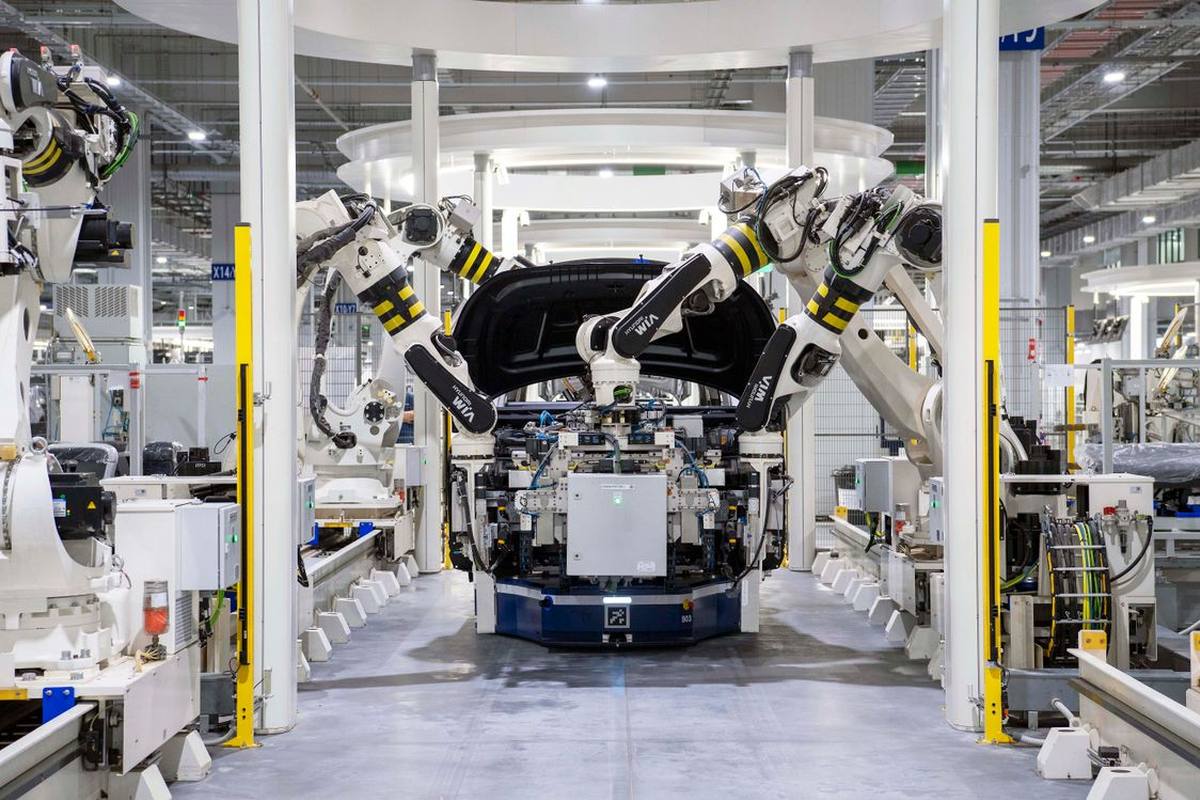
Robotic car assembly line in an automobile factory — ERPNext for automobile
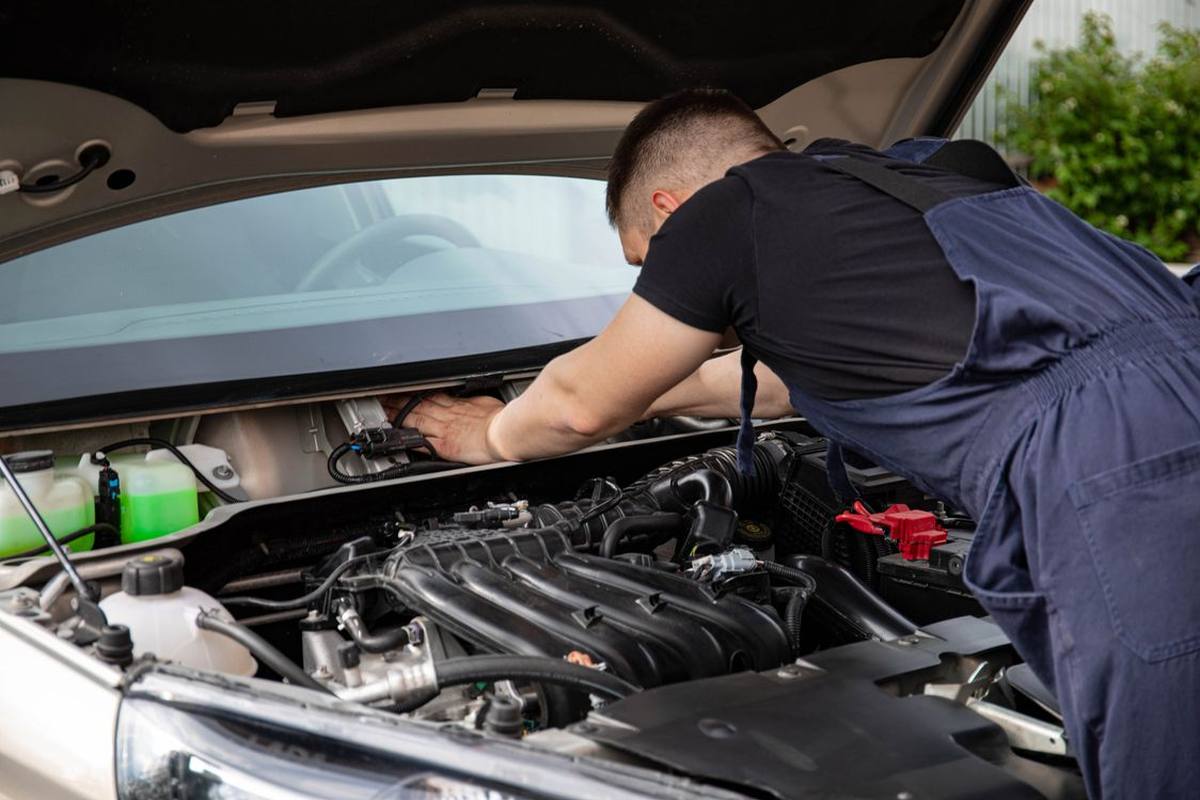
Mechanic working on a car engine in an auto workshop
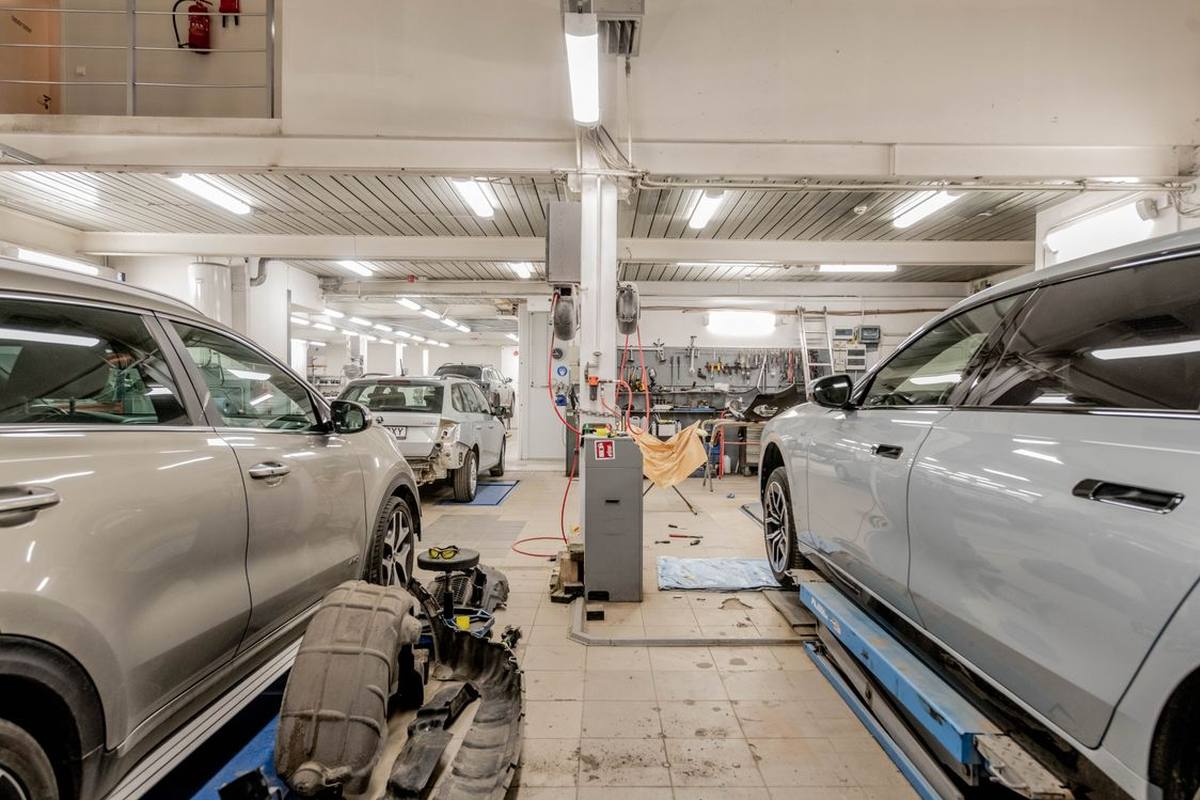
Automobile service workshop with cars on lifts

After go-live

What automobile companies improve after implementation

ERPNext earns its keep after go-live — here's what changes in the business once the system is running day to day.

No more stalled jobs for missing parts

Branch-wise stock with supersession and bin locations means the part is found first time — workshop bays stop waiting on storekeeper memory.

Labor billed the same day

Job cards invoice directly on close — no retyping, no missed parts, and every advisor prices from the same rate cards.

Every VIN's history on demand

Purchase, delivery, registration and every service job per vehicle — any advisor answers a customer's history question instantly.

Consistent pricing across advisors

Standard labor rate cards and parts pricing in the system end the two-advisors-two-prices problem — and the arguments that follow.

Multi-branch stock visibility

Every branch's parts stock visible centrally, with tracked inter-branch transfers — a part in Lahore serves a job in Karachi instead of sitting idle.

Paperwork that follows the vehicle

Booking forms, invoices, registration documents and delivery checklists tied to the VIN — no more daily reconciliation to find a vehicle's status.

Every kind of operation

ERPNext for every type of automobile business

Different automobile businesses run differently — ERPNext adapts to how you operate.

Auto parts manufacturers

Locally made parts with bills of materials, work orders and costing — feeding the same parts catalog that dealerships and workshops draw from.

Auto parts traders & distributors

Purchase, landed cost and multi-branch distribution of imported and local parts — with supersession chains so the right substitute is always found.

Vehicle dealerships

Showroom sales from booking to delivery — VIN and chassis tracking, advance payments, registration follow-up and delivery checklists in one pipeline.

Service workshops

Independent and dealership workshops — digital job cards, labor billing against standard rates, and service history per vehicle that brings customers back.

What you get

Automobile features we offer

We configure every feature around your processes — each one tied to a business outcome, not a feature list.

Spare parts inventory

ERPNext auto parts management covers thousands of part numbers with supersession chains, bin locations and branch-wise stock — the store knows exactly what is on the shelf, what substitutes exist, and what needs reordering.

VIN & chassis tracking

Every vehicle tracked by VIN and chassis number from purchase or booking through registration to delivery — and the same VIN carries its full service history for life.

Dealership sales pipeline

Vehicle bookings, advance payments, invoicing, registration tracking and delivery checklists in one pipeline — every VIN's status visible from booking to handover.

Workshop job cards & labor billing

Digital job cards capturing complaints, inspection findings, parts issued and labor hours against standard rate cards — invoiced the same day, with nothing retyped and nothing leaked.

Parts manufacturing & trading

For manufacturers: bills of materials and work orders for locally made parts. For traders: purchase, landed cost and multi-branch distribution — both feeding the same parts catalog the workshop draws from.

PKR billing & FBR e-invoicing

Vehicle, parts and workshop invoicing in PKR with FBR digital invoicing configured and tested — showroom, store and workshop billing all compliant in one system.

Job cards with parts and labor, invoiced the same day

How we deliver

How implementation works

A fixed, transparent process — you always know what happens next and what it costs.

  1. 01

    Discovery

    Showroom, store and workshop

    We study your parts catalog and supersession logic, your vehicle sales and registration paperwork, and how the workshop opens job cards, issues parts and bills labor today.

  2. 02

    Setup & data

    Configured around the vehicle

    We configure part-number coding with supersession rules, VIN and chassis tracking from purchase to delivery, job-card workflows with labor rate cards and multi-branch warehouses — then migrate your parts catalog, vehicles and open jobs.

  3. 03

    Training

    One branch live, then the network

    We pilot with one showroom-workshop branch on your real data — job cards billing the same day, VIN histories building correctly — and train sales teams, storekeepers, service advisors and technicians in Urdu. Then we roll out across branches.

  4. 04

    Go-live & support

    Through the first full month

    Hypercare through your first complete sales and service cycle. We stay until job cards, parts issues, vehicle deliveries and invoices all come from the system without paper detours.

Why Naidapa

Why choose Naidapa?

What makes us the right ERPNext partner for automobile businesses.

ERPNext is all we do

We're not a general IT shop that also does ERP. Implementation, customization and managed cloud hosting for ERPNext is the entire practice.

Your system on our cloud

Every project starts on Naidapa's managed cloud — SSL, backups and updates handled — so you never have to think about servers.

Fixed scope before you spend

You get a clear, phased plan before committing — no open-ended billing and no surprises halfway through the project.

Built around the vehicle

We map how vehicles, parts and job cards move through your business before configuring anything — so one VIN carries the whole story.

Training in your language

Role-based training in Urdu and English — your team learns exactly the screens they'll use every day.

Support after go-live

Hypercare support through cutover and beyond — we stay until the system is running on its own.

Why it works

What automobile companies gain

  • One VIN, one history — every vehicle's purchase, delivery and lifetime service record in one place
  • Parts inventory with supersession and bin locations — the right part found first time
  • Digital job cards with standard labor rates — billed same day, no revenue leakage
  • Dealership pipeline from booking to delivery — every vehicle's status visible
  • PKR billing across showroom, store and workshop with FBR e-invoicing — compliant without workarounds

Free discovery call

Not sure where to start?

We'll map your automobile processes against ERPNext and show you exactly which modules you need — and which you don't.

Free consultation, no obligation.

FAQ

ERPNext for automobile: common questions

Naidapa implements ERPNext for automobile businesses in Pakistan — auto parts manufacturers and traders, vehicle dealerships and service workshops. Our implementations cover parts inventory with supersession, VIN and chassis tracking, dealership sales pipelines, and workshop job cards with labor billing, with training in Urdu for showroom, store and workshop teams. Unlike a generic ERP for automobile industry suite, every module is configured around your showroom, store and workshop.

Yes — as a complete Automobile ERP Pakistan dealerships rely on daily, ERPNext unites parts, vehicle sales and workshop in one system. Each branch's stock and operations stay separate while management gets a consolidated view, which is exactly what most ERP software for automobile dealerships never quite manages.

The ERPNext automobile modules we configure most are spare parts inventory with supersession, VIN and chassis tracking, dealership sales pipelines, workshop job cards with labor billing, and PKR billing with FBR e-invoicing — showroom, store and workshop on one record per vehicle.

Yes. Each vehicle is a serialized item tracked by VIN and chassis number from purchase or booking through registration and delivery. The same VIN then accumulates its complete service history — every job card, part fitted and labor charge — so any advisor can see the vehicle's full story instantly.

A digital job card records the customer's complaint, inspection findings, parts issued from store and labor hours against your standard rate cards. When the job closes, the invoice generates from the job card — same-day billing with no retyping, no missed parts and consistent labor pricing across advisors.

Yes. Supersession chains link old part numbers to their replacements, so when a superseded part is requested, the system points to the current number and its stock. This ends the storekeeper-memory problem and keeps workshop jobs moving.

Yes. ERPNext supports multiple warehouses, branches and cost centers in one system, so each location's parts stock and workshop revenue stay separate while management gets a consolidated view. Inter-branch parts transfers are tracked like any other stock movement.

Yes. Our ERPNext automobile Pakistan implementations configure invoicing around Pakistan's digital invoicing requirements and test the flow end-to-end — covering vehicle sales, parts counter sales and workshop invoices — so all billing stays compliant without manual workarounds.

An ERPNext implementation automobile dealerships run with Naidapa typically goes live in 8–12 weeks, depending on parts-catalog size, job-card workflow detail and data readiness. Multi-branch rollouts are phased — we prove the model on one branch, then replicate. Your blueprint includes a week-by-week timeline.

Yes. We train sales teams, storekeepers, service advisors and technicians in Urdu and English, with simplified role-based screens and written guides. Adoption across all three operations is the deciding factor, so training is a core deliverable.

Get started today

Stop running your automobile business on guesswork

Book a free demo and see your own processes running in ERPNext — free consultation, no obligation, and a fixed-scope plan before you spend a rupee.

Get a Free Quote