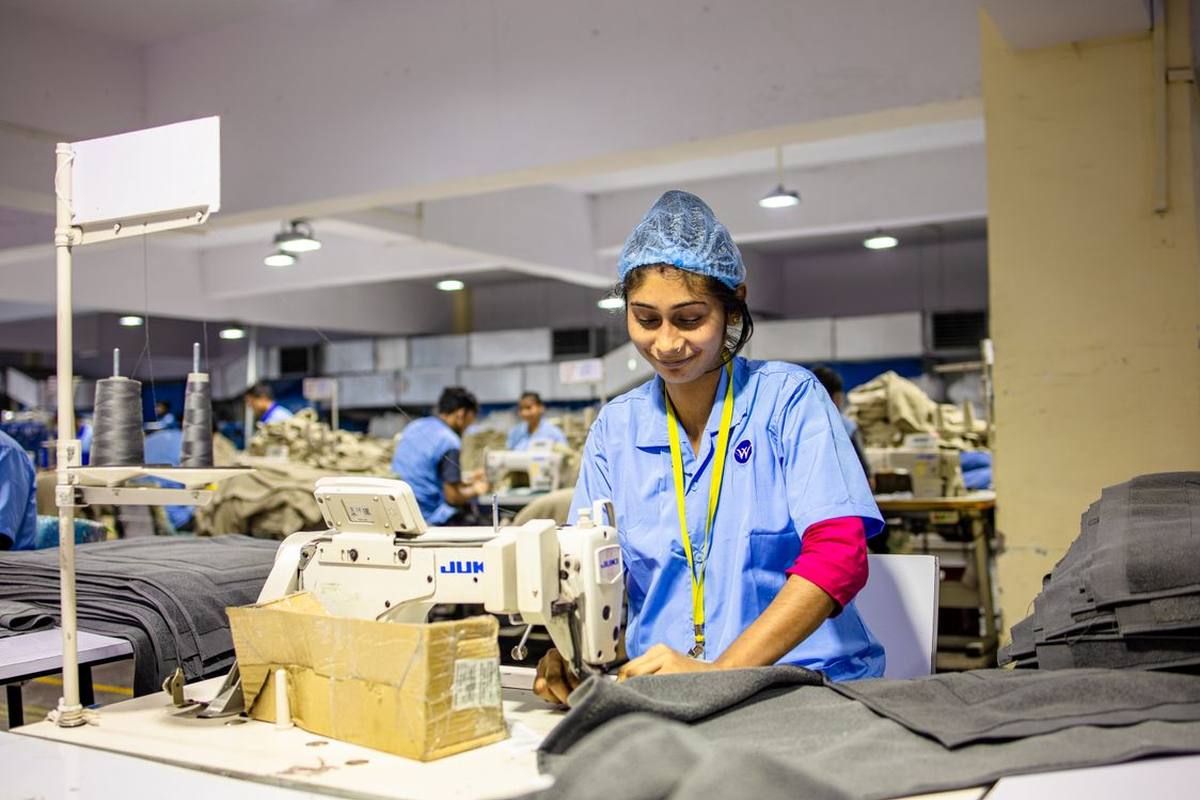
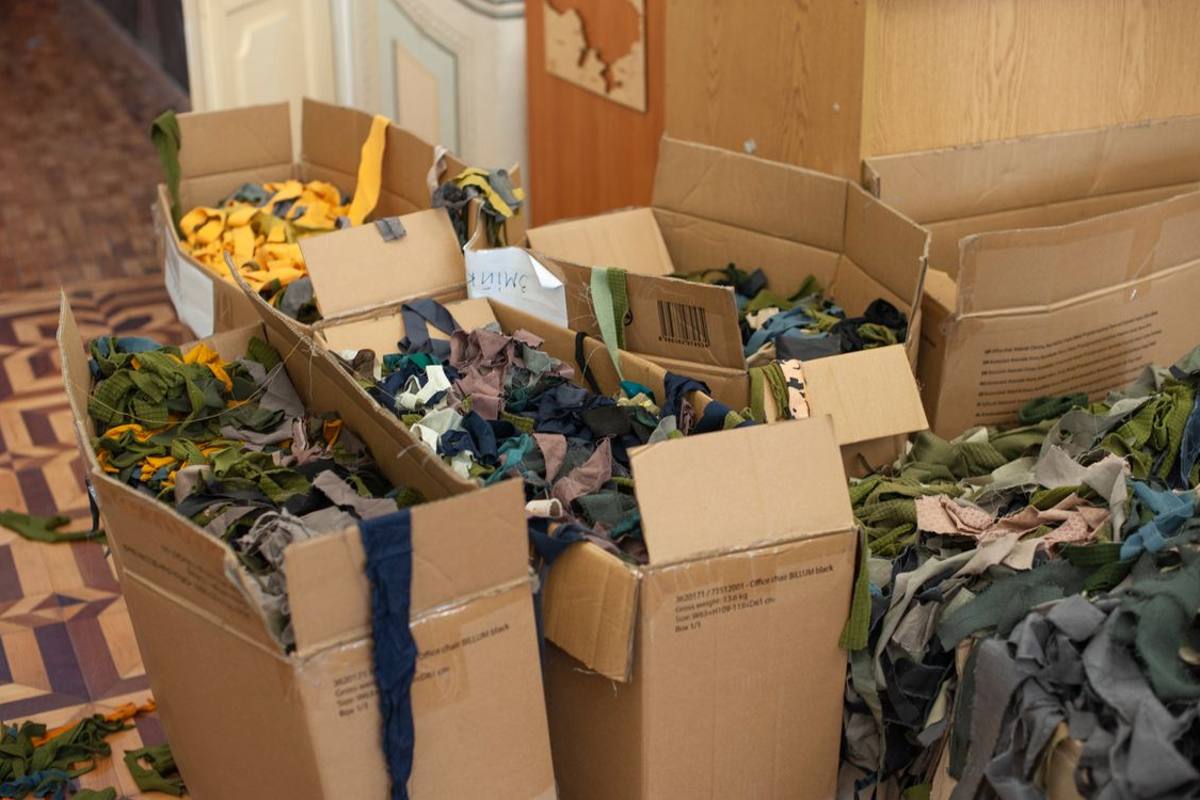
ERPNext for the textile industry is built for a game of thin margins and moving targets — yarn prices shift weekly, dyeing outcomes vary by batch, and export buyers demand documentation that has to be exactly right. When costing lives in spreadsheets and production status lives in phone calls, you find out about problems after they've cost you money. ERP software for textile has to handle costing, batches and subcontracting natively — anything less is just accounting with a new label.
As an ERPNext service provider in Pakistan, we implement ERPNext around the way textile businesses actually run: yarn-to-garment costing that captures every process, dyeing and printing tracked batch by batch, subcontracted power-loom work under control, and export documentation generated from the same data as everything else. That is what ERP for textile industry should be — not generic software with a textile label, but costing, batches and subcontracting handled natively.