ERPNext for Manufacturing

ERPNext for Manufacturing Industry — precision for shops that can't afford guesswork

Know the true margin on everything you make — with ERPNext for manufacturing configured around your shop floor, not against it.

Get a Free Quote

100+ implementations · 8+ years · Urdu & English support

ERPNext for the manufacturing industry starts on the shop floor — where material availability, machine time, labor cost and quality are balanced every day. Spreadsheets and disconnected systems make that balancing act expensive: stock-outs stop lines, costing is approximate, and nobody quite trusts the numbers. When manufacturers evaluate ERP for manufacturing industry software, the shortlist always comes down to fit — a manufacturing ERP Pakistan plants actually use is ERPNext manufacturing configured around the shop floor, not against it.

As an ERPNext implementor for manufacturers in Pakistan, we build the manufacturing module around your actual shop floor: multi-level bills of materials, routings, work orders and job cards, subcontracting flows and quality inspections — with costing that tells you the true margin on every item you make.
The reality

The costly problems we solve every day

Every one of these has a price tag — here's what they cost manufacturing businesses that wait too long to fix them.

You don't know your true production cost

BOM estimates drift from reality once scrap, rework, overtime and overhead enter the picture. Pricing decisions get made on approximate costs — and margins quietly erode.

The cost of waiting: Every quote built on approximate cost is a gamble — win the order and lose money on it, or price yourself out of it.

Stock-outs stop the line

Purchasing chases production instead of anticipating it. A single missing component holds up an entire work order while finished-goods deadlines slip.

The cost of waiting: An idle line still burns wages, power and overhead — while your customer waits for a delivery date you can't defend.

No traceability when it matters

When a customer reports a defect, can you trace it to the raw material batch, the machine and the shift? Without batch and serial tracking, recalls become guesswork.

The cost of waiting: One untraceable defect can force you to quarantine everything instead of one batch — and the customer remembers the disruption either way.

Why manufacturers choose ERPNext — and why most wait too long

Generic accounting software tracks invoices but not BOMs, work orders or subcontracted material — so the plant keeps running on notebooks alongside it. Manufacturers switch to ERPNext when a lost subcontracted lot, an untraceable defect or a surprise month-end loss makes the cost of guessing visible.

The cost of waiting: The longer the plant runs on notebooks, the more history you have to reconstruct when you finally switch — start from clean data instead.

Bin-wise stock levels with reorder alerts, live from the shop floor

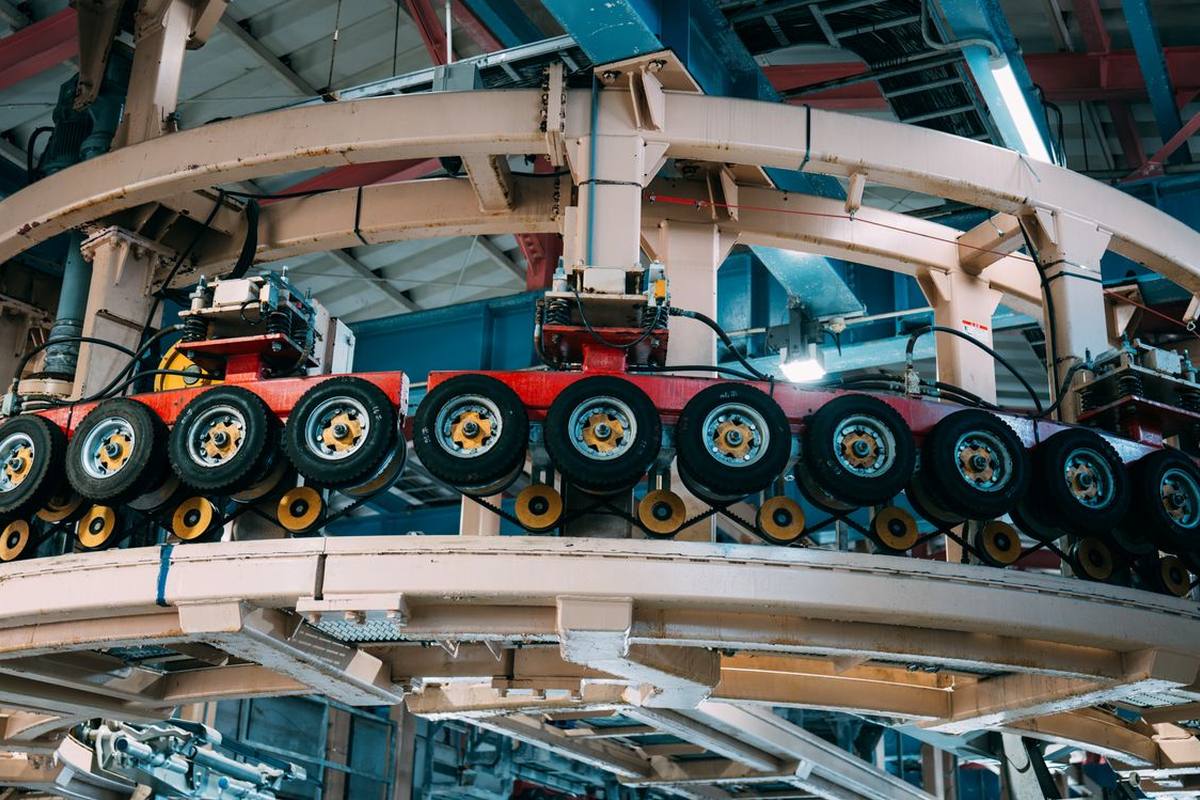
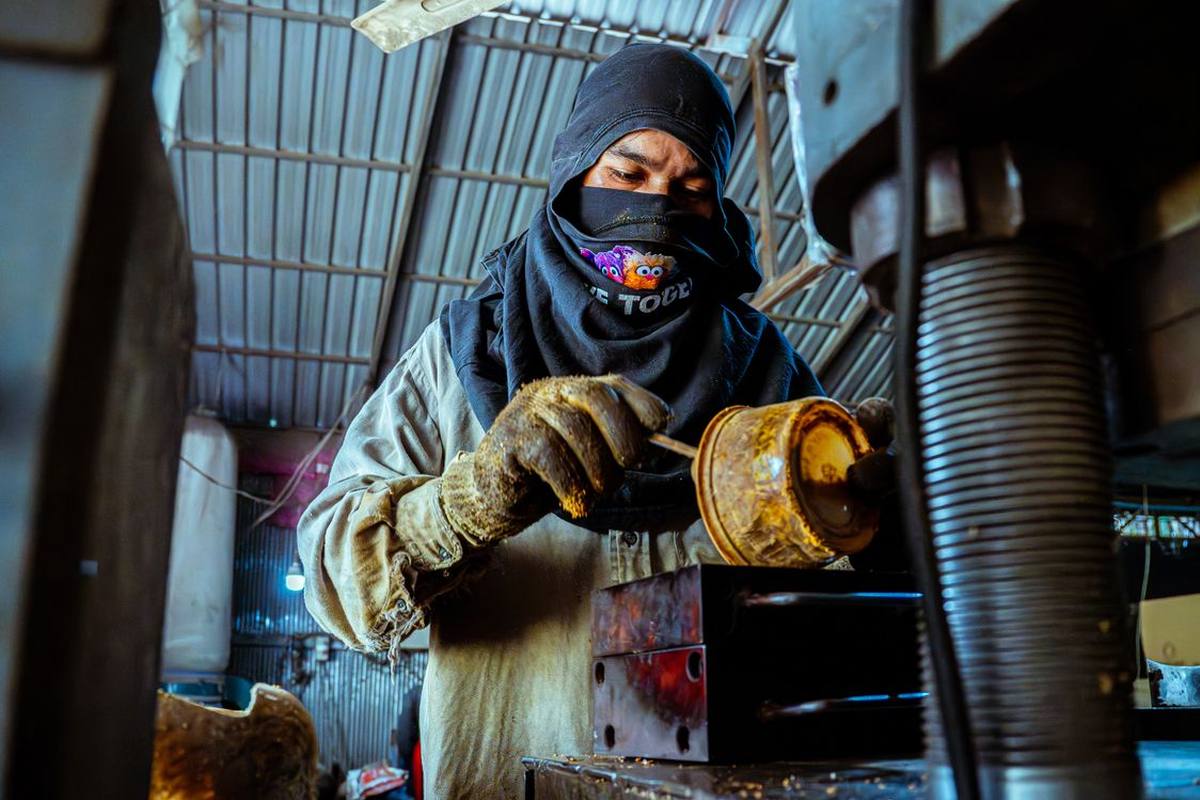
Factory worker operating production machinery — ERPNext for manufacturing
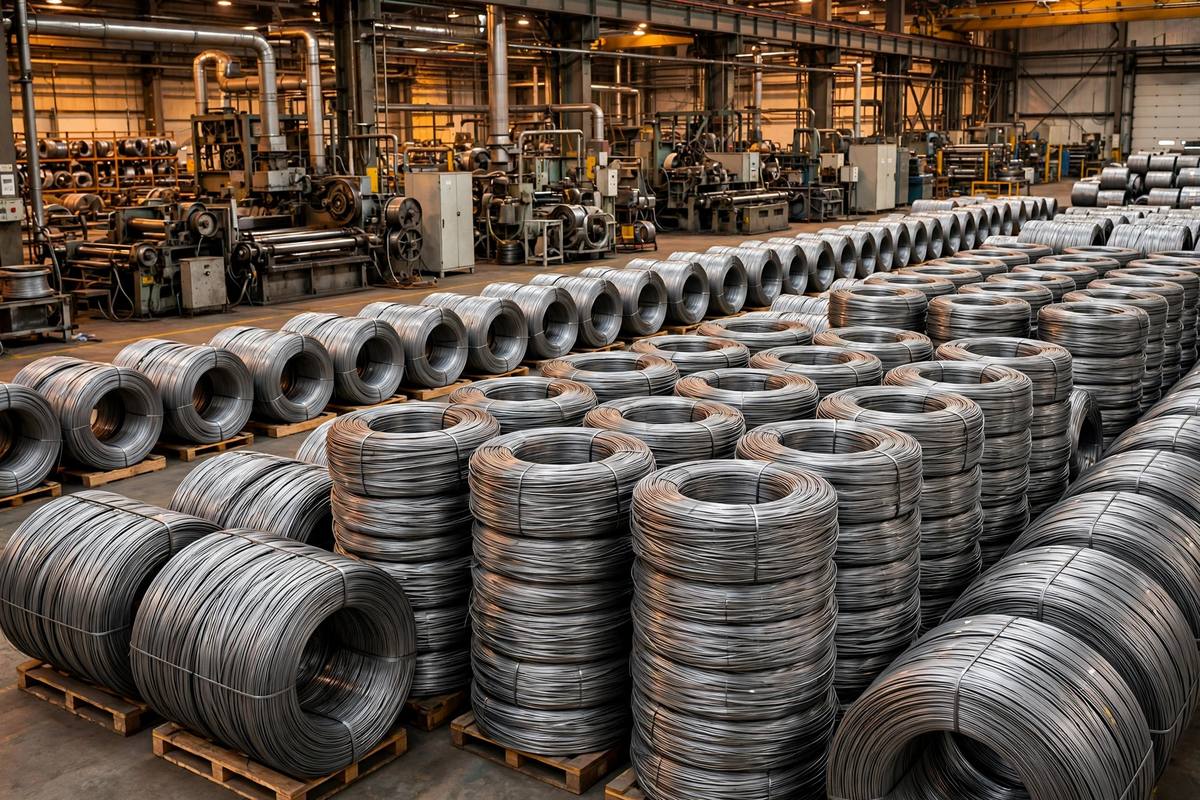
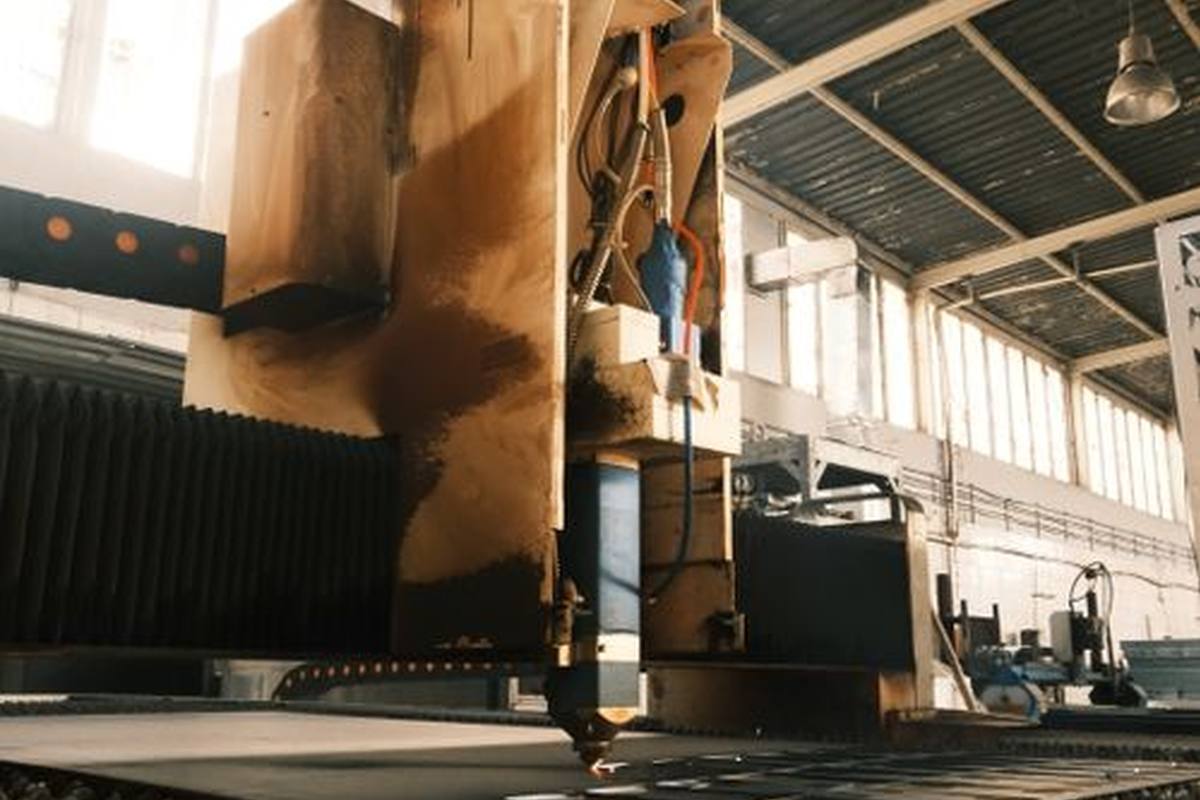
Manufacturing plant floor with industrial machinery
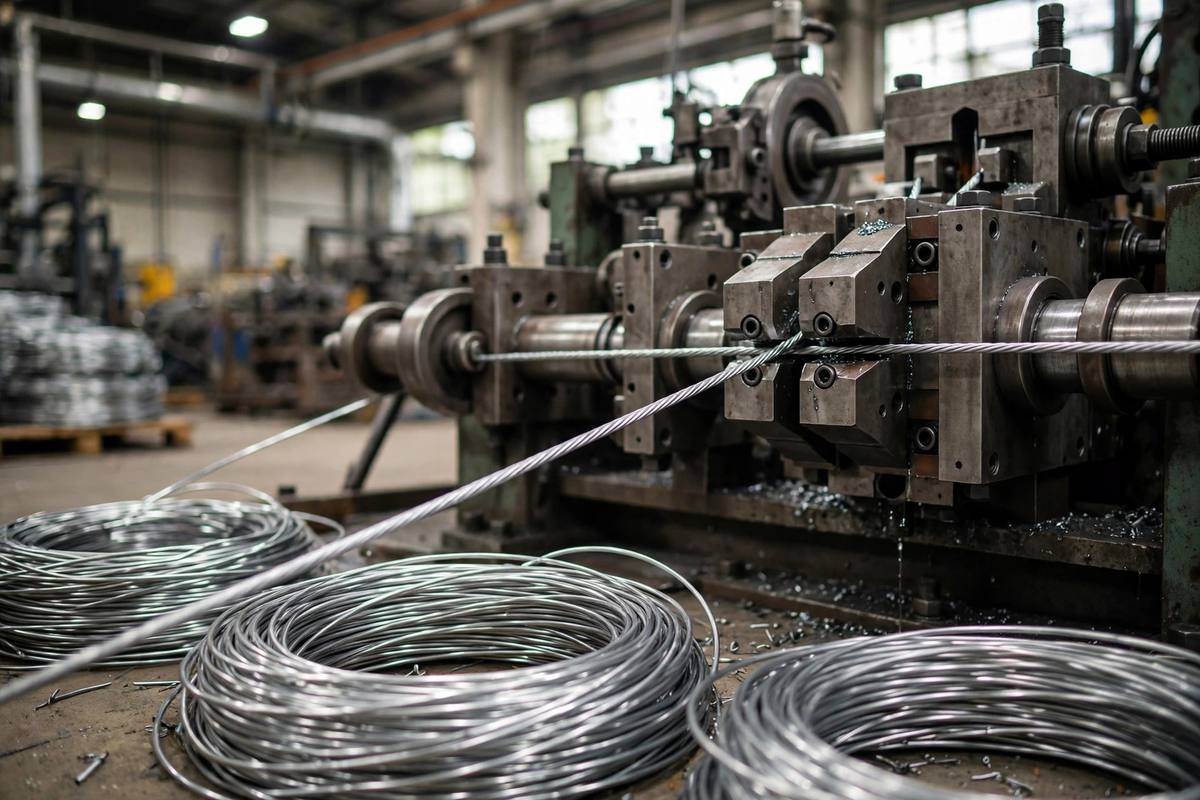
Close-up of industrial manufacturing equipment

After go-live

What manufacturing companies improve after implementation

ERPNext earns its keep after go-live — here's what changes in the business once the system is running day to day.

True production cost, finally known

Every work order carries its real material, labor and overhead cost — margins stop being estimates and start being facts.

Stock you can trust

Raw, WIP and finished goods update in real time as the shop floor transacts — no more surprise stock-outs stopping the line.

Delivery dates you can keep

Material availability and capacity are checked before you promise a date, not after you miss one.

Traceability without the paper hunt

Batch and serial tracking links every finished item back to its raw materials, the operations it went through, and its QC results.

Calmer month-ends

Stock reconciliation, valuation and costing run inside the system — no more spreadsheet archaeology to close the books.

Less rework and wastage

In-process quality checkpoints catch defects at the operation where they happen, instead of at dispatch — or at the customer.

Every kind of operation

ERPNext for every type of manufacturing business

Different manufacturing businesses run differently — ERPNext adapts to how you operate.

Discrete manufacturing

Assembling distinct items — auto parts, machinery, electronics. Multi-level BOMs, serial tracking and assembly workflows keep every unit accounted for.

Process manufacturing

Formulas and batches — steel, paint, chemicals, food. Batch-wise production with yield tracking and quality parameters recorded per batch.

Job shops & make-to-order

Custom work per customer order. Quotations turn into job cards with operation-wise time and cost tracking, so custom work stays profitable.

Batch & repetitive production

Textiles, FMCG and packaging. Shift-wise planning, repetitive work orders and line-level output tracking keep high-volume lines under control.

What you get

Manufacturing features we offer

We configure every feature around your processes — each one tied to a business outcome, not a feature list.

BOM & routing

Multi-level bills of materials with operations, workstations and time tracking — the engineering truth of how each item is built.

Work orders & job cards

Plan, release and track production orders; operators log time and material against job cards on the shop floor.

Subcontracting

Send material out, track it, receive finished goods back — with full visibility of supplier-held stock and processing costs.

Quality management

Incoming, in-process and outgoing quality inspections with acceptance criteria, sampling and rejection handling.

Inventory & costing

Batch and serial tracking, multi-warehouse stock, and FIFO/average valuation so production costs are always accurate.

Planning & procurement

Material requirements planning from sales orders and forecasts, so purchasing stays ahead of production instead of chasing it.

Bills of material with multi-level costing, right in ERPNext

How we deliver

How implementation works

A fixed, transparent process — you always know what happens next and what it costs.

  1. 01

    Discovery

    Shop-floor first

    We walk your floor, watch how work actually moves, and document BOMs, routings and approval habits as they are — not as the manual says they should be.

  2. 02

    Setup & data

    Engineered on paper

    You get a written blueprint: item coding scheme, BOM structure, workstation setup, subcontracting flows, quality plans, costing method and a fixed price.

  3. 03

    Training

    Piloted on one line, then the plant

    We configure and pilot on a single production line with your real data, prove the numbers tie out, train operators — then roll out to the whole plant.

  4. 04

    Go-live & support

    Through the first close

    Hypercare through your first production month and stock reconciliation. We stay until your team trusts the system more than the spreadsheets.

Why Naidapa

Why choose Naidapa?

What makes us the right ERPNext partner for manufacturing businesses.

ERPNext is all we do

We're not a general IT shop that also does ERP. Implementation, customization and managed cloud hosting for ERPNext is the entire practice.

Your system on our cloud

Every project starts on Naidapa's managed cloud — SSL, backups and updates handled — so you never have to think about servers.

Fixed scope before you spend

You get a clear, phased plan before committing — no open-ended billing and no surprises halfway through the project.

Shop-floor first

We map your physical process before configuring anything, so the system mirrors how your factory actually runs — not the other way round.

Training in your language

Role-based training in Urdu and English — your team learns exactly the screens they'll use every day.

Support after go-live

Hypercare support through cutover and beyond — we stay until the system is running on its own.

Why it works

What manufacturing companies gain

  • Know the true production cost — and margin — of every item you manufacture
  • Fewer stock-outs and line stoppages with MRP-driven purchasing
  • Full traceability from raw material batch to finished goods serial
  • Controlled subcontracting with visibility of supplier-held materials
  • Quality issues caught at inspection points, not by customers

Free discovery call

Not sure where to start?

We'll map your manufacturing processes against ERPNext and show you exactly which modules you need — and which you don't.

Free consultation, no obligation.

FAQ

ERPNext for manufacturing: common questions

Naidapa — we're an ERPNext implementor working with manufacturers across Pakistan, from single plants to multi-unit operations. Our ERPNext for manufacturing Pakistan implementations cover multi-level BOMs, work orders and job cards, subcontracting flows, quality inspections and true production costing, with training in Urdu and English for shop-floor and accounts teams.

Yes. ERPNext supports multi-level bills of materials, and operations within a routing can be marked as subcontracted — material is transferred to the supplier, the operation cost is tracked, and finished goods are received back against the work order. We configure this flow to match how your suppliers actually work.

Each work order accumulates material, labor (via time logs on job cards) and overhead costs, giving you the actual cost per unit produced — not just the BOM estimate. Variances between estimated and actual cost are visible, so you can price accurately and spot inefficiencies.

Yes. Job cards and work order updates work through the web interface on tablets or terminals, and we simplify screens so operators see only what they need: start, pause, complete, and material consumption. For machine data capture, we can integrate via the REST API.

Yes — batches and serial numbers can be tracked from purchase through production to delivery, which is essential for regulated or quality-sensitive manufacturing. We configure traceability rules around your compliance needs.

A focused single-plant implementation typically goes live in 8–14 weeks, depending on BOM complexity, subcontracting flows and data readiness. Multi-plant rollouts are phased — we prove the model on one plant, then replicate. Your blueprint includes a week-by-week timeline.

Yes. Beyond discrete BOMs, ERPNext supports batch-based production with batch-wise costing, expiry and shelf-life tracking, and quality parameters per batch — which suits process industries like chemicals, food processing and pharmaceuticals.

Yes. We train operators, supervisors and managers in Urdu and English, with simplified role-based screens and written guides. Adoption on the shop floor is usually the deciding factor in ERP success, so we treat training as a core deliverable, not an afterthought.

Yes. We configure ERPNext's sales invoicing around Pakistan's digital invoicing requirements and test the flow end-to-end, so your tax invoices stay compliant without manual workarounds — including handling for the high invoice volumes manufacturers typically generate.

Where machines expose data (serial, OPC, or simple APIs), we can push readings — like scale weights or production counts — into ERPNext via its REST API. For fully manual lines, the tablet-based job card workflow is usually the practical answer.

Get started today

Stop running your manufacturing business on guesswork

Book a free demo and see your own processes running in ERPNext — free consultation, no obligation, and a fixed-scope plan before you spend a rupee.

Get a Free Quote